
Building the Right Tech Foundation

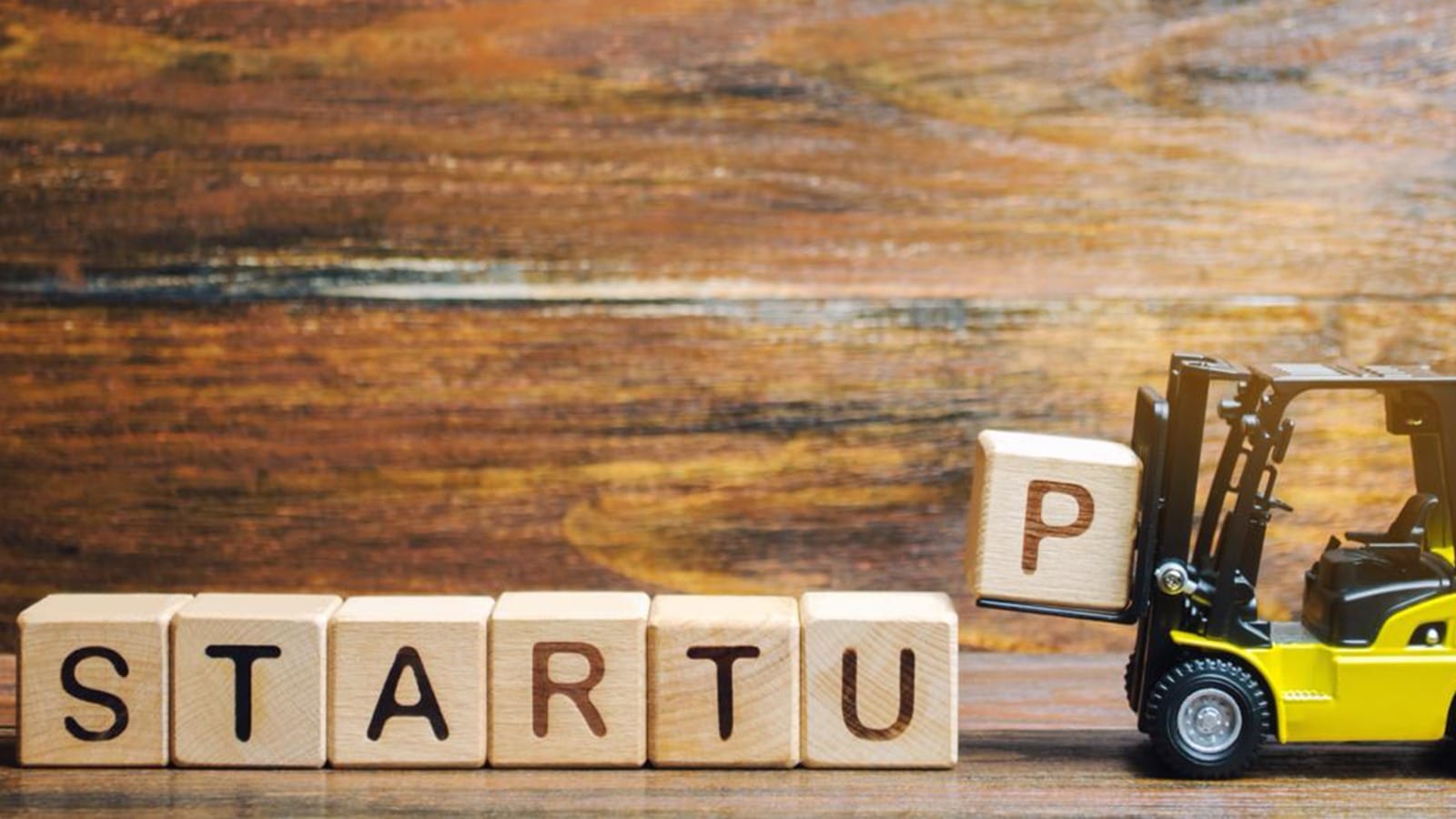
How founders avoid costly mistakes early
In 2026, technology is no longer just execution. It is one of the earliest and most decisive strategic choices a founder makes.
Many of the problems startups face at Series A or Series B do not start with market fit or competition. They start months earlier, during the MVP phase, when technical decisions are made quickly, often with limited context and under pressure to move fast.
This article explores how founders can build the right technical foundations in 2026, avoid common early mistakes, and create products that scale without painful rewrites or hidden constraints.
We rarely see startups struggle because they chose the wrong framework.
We often see them struggle because early decisions removed options too soon.
Early technical decisions define long-term outcomes
Founders often underestimate how early technical choices shape the future of the company.
Stack selection, architecture, data models, and deployment strategies influence speed of iteration, cost structure, ability to hire senior talent, and readiness for scale and investment.
In 2026, changing direction later becomes harder. Systems are more interconnected, compliance requirements appear earlier, and products integrate with more external platforms from the start.
Good foundations create optionality. Weak foundations remove it.
The most common technical mistakes founders still make
Despite a more mature ecosystem, the same patterns continue to appear.
One frequent mistake is choosing technology based purely on familiarity. What feels fast today often becomes restrictive tomorrow. Another is treating architecture as something to “fix later,” assuming refactoring will be easy once traction exists.
Founders also confuse MVP speed with disposability, building code that proves a point but cannot support real users. Security, data integrity, observability, and integrations are often postponed until they become urgent and expensive.
In 2026, these shortcuts surface faster and cost more to correct.
MVP does not mean disposable
A minimum viable product is about learning, not about lowering standards.
An MVP should validate assumptions while keeping the door open for growth. This means writing clean, understandable code, choosing sensible abstractions, and avoiding irreversible shortcuts.
We have seen this fail when an MVP was built quickly to validate an idea, gained early traction, and then became the production system by accident. What worked for ten users became fragile at one thousand, and impossible to evolve at ten thousand.
The team spent more time working around limitations than building new value, precisely when momentum mattered most.
In 2026, the strongest startups treat MVPs as the first version of a long-term product, not as throwaway experiments.
Architecture as a growth enabler
Architecture decisions increasingly define how far a startup can go.
Modular systems, API-first thinking, and cloud-native foundations give startups flexibility. They allow teams to evolve parts of the product independently, integrate partners easily, and scale without rewriting core components.
We have seen startups struggle when architecture was postponed in favour of speed, assuming it could be addressed after traction. When partnerships, integrations, and compliance arrived earlier than expected, the system resisted change.
What should have been a phase of acceleration turned into a phase of internal slowdown.
Architecture becomes a business accelerator when it supports change instead of resisting it.
AI-ready by design
Even startups that do not use AI from day one need to be prepared for it.
In 2026, AI adoption depends less on models and more on data readiness. Clean data pipelines, clear ownership, and governance matter more than choosing the right model.
Founders benefit from designing systems that capture meaningful data early, separate business logic from model dependencies, and allow AI to be introduced incrementally.
Startups that rush into AI without this groundwork often struggle with explainability, reliability, and differentiation. Those that prepare quietly gain leverage when AI becomes a natural extension of the product.
Small senior teams outperform growing headcount
More people no longer means more progress.
In 2026, startups with small, senior teams consistently outperform larger, less experienced ones. Senior engineers and product leaders bring judgment, reduce mistakes, and align technical decisions with business goals.
Founders increasingly choose to work with experienced partners rather than scaling internal teams prematurely. This preserves focus, controls costs, and accelerates learning during critical early stages.
Headcount grows when complexity demands it, not before.
What investors look for in a startup’s tech foundation
Investors pay closer attention to technical fundamentals than many founders expect.
They look for clarity in architecture, evidence of clean and maintainable code, sensible infrastructure choices, and an understanding of scalability challenges. They want confidence that the product can grow without a full rebuild.
In 2026, strong technical foundations signal discipline, foresight, and leadership. Weak ones raise questions long before growth metrics do.
How Glazed helps founders build strong foundations
Glazed works with founders to turn product vision into scalable, production-ready software from the earliest stages.
Our senior teams help founders make deliberate technical decisions, design architectures that grow with the business, and avoid structural mistakes that slow down momentum.
We focus on building technology that supports learning, speed, and long-term outcomes, without inflating teams or introducing unnecessary complexity.
Conclusion
In 2026, technology decisions made early define how far a startup can go.
Speed creates momentum.
Early technical shortcuts often decide how long that momentum lasts.
The startups that scale successfully are the ones that treat technology as a strategic asset from the very beginning.

Thanks for reading. If you enjoyed our content, you can stay up to date by following us on X, Facebook, and LinkedIn 👋.